


Craniosacral Therapy
Craniosacral Therapy
A Head of the Game
What is Craniosacral Therapy?
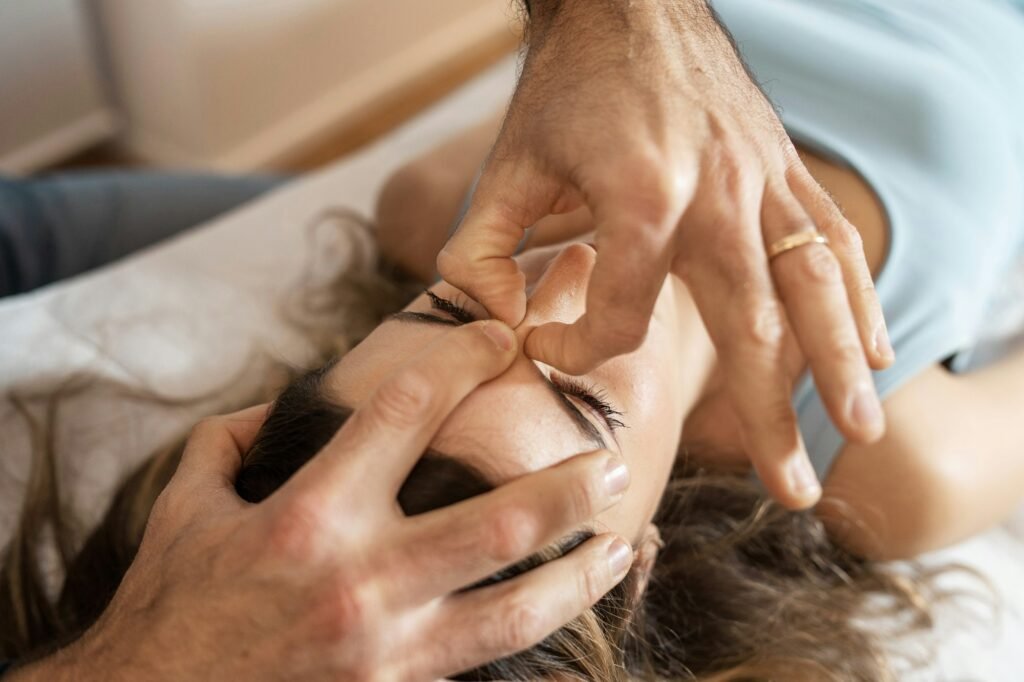
Craniosacral therapy (CST) is a light-touch, hands-on healing modality that focuses on the body’s craniosacral system. This system comprises the membranes and cerebrospinal fluid that surround and protect the brain and spinal cord. Craniosacral therapy practitioners use a subtle touch, often described as no heavier than the weight of a nickel, to assess and address restrictions or imbalances within this system.
How Can Craniosacral Therapy Help You?
Craniosacral therapy adopts a holistic approach to well-being, aiming to support the body’s innate self-healing mechanisms. This gentle therapy can be beneficial for addressing a wide range of physical and emotional concerns:
- Physical Ailments: CST can offer relief from headaches, chronic pain, neck and back pain, TMJ dysfunction, and more.
- Stress and Anxiety: By promoting deep relaxation, CST can help manage stress, anxiety, and symptoms of trauma.
- Improved Sleep: The calming effect of CST may improve sleep quality and help address insomnia.
- Overall Well-being: CST can enhance your vitality and resilience, promoting a sense of balance and well-being.
What is Craniosacral Therapy Good For?
Craniosacral therapy has the potential to benefit individuals with various conditions and goals, including:
- Chronic Pain: May alleviate various types of chronic pain, including migraines, fibromyalgia, and back pain.
- Stress-Related Conditions: Beneficial for those dealing with anxiety, fatigue, and emotional stress.
- Post-Traumatic Support: Can be a helpful part of healing from physical or emotional trauma.
- Central Nervous System Disorders: Might offer support in managing symptoms associated with neurological conditions.
- Infants and Children May aid issues like colic, birth trauma, and sensory processing difficulties.
Benefits of Craniosacral Therapy
Here are some key benefits individuals may experience with craniosacral therapy:
- Pain Reduction: CST can help reduce both acute and chronic pain throughout the body.
- Deep Relaxation: Promotes a profound sense of relaxation, which can ease stress and tension.
- Improved Nervous System Function: Helps optimize the function of the central nervous system, potentially supporting other bodily systems.
- Enhanced Self-Awareness: May develop a deeper connection to your body and its innate healing processes.
- Emotional Release: CST can facilitate the release of emotional tension or trauma held within the body.
What to Expect from Craniosacral Therapy with a Practitioner
Here’s what you can expect during a typical craniosacral therapy session:
- Initial Consultation: Your practitioner will discuss your health history, concerns, and reasons for seeking CST.
- Comfortable Setting: You’ll usually lie fully clothed on a massage table in a calm environment.
- Gentle Touch: The practitioner will apply light touch to various points on your body, focusing on the head, spine, and sacrum.
- Subtle Sensations: You might experience warmth, tingling, or a sense of release in different areas.
- Relaxation and Awareness Expect an emphasis on relaxation and allowing your body’s natural healing processes to unfold.
Similar Modalities to Craniosacral Therapy
Other holistic therapies share similarities with craniosacral therapy in their focus on gentle touch and supporting the body’s inherent healing abilities:
- Osteopathy in the Cranial Field: A broader field of osteopathic medicine, sharing a similar theoretical foundation with CST.
- Visceral Manipulation: Works with the body’s organs and connective tissues to release restrictions and improve function.
- Somato Emotional Release: Facilitates healing by releasing stored emotional trauma from the body’s tissues.
Final Thoughts
Craniosacral therapy offers a unique and gentle approach to promoting physical, emotional, and energetic balance within the body. If you’re seeking a non-invasive way to alleviate pain, manage stress, or enhance your overall well-being, exploring craniosacral therapy might be a valuable step in your healing journey.
Scientific References
- Crothers, A., & Todd, C. (2023). Craniosacral therapy for headache and neck pain in adults: A systematic review and meta-analysis. Complementary Therapies in Medicine, 65, 103136. https://doi.org/10.1016/j.pmn.2023.07.009
- Haller, H., Lauche, R., Sundberg, T., Dobos, G., & Cramer, H. (2020). Craniosacral therapy for chronic pain: A systematic review and meta-analysis of randomized controlled trials. BMC Musculoskeletal Disorders, 21(1), 1. https://doi.org/10.1186/s12891-019-3017-y
- Haller, H., Lauche, R., Sundberg, T., Dobos, G., & Cramer, H. (2020). Craniosacral therapy for chronic pain: A systematic review and meta-analysis of randomized controlled trials. BMC Musculoskeletal Disorders, 21(1), 1. https://doi.org/10.1186/s12891-019-3017-y
Recommended Reading
- Levine, P. A. (2010). In an Unspoken Voice: How the Body Releases Trauma and Restores Goodness. North Atlantic Books.
- Milne, H. (1995). The Heart of Listening: A Visionary Approach to Craniosacral Work. North Atlantic Books.
- Upledger, J. E., & Vredovoogd, J. D. (1983). Craniosacral Therapy. Eastland Press.
Craniosacral Therapy
Is Craniosacral therapy safe?
Yes, CST is generally considered a very safe and non-invasive therapy suitable for people of all ages, including infants and the elderly.
How many sessions of craniosacral therapy will I need?
The number of sessions varies depending on your individual needs and condition. Some people experience benefits after just one session, while others may benefit from a series of sessions over time.
Does insurance cover craniosacral therapy?
Check with your health insurance provider for specific details.
How does craniosacral therapy differ from massage therapy?
CST uses a much lighter touch than massage therapy and focuses specifically on the craniosacral system. Massage typically aims to manipulate muscles and soft tissues.
How do I find a qualified craniosacral therapist?
Look for practitioners certified by reputable organizations such as the Upledger Institute (https://www.upledger.com/) or the International Alliance of Healthcare Educators (https://iahe.com/).