Neuromuscular Massage
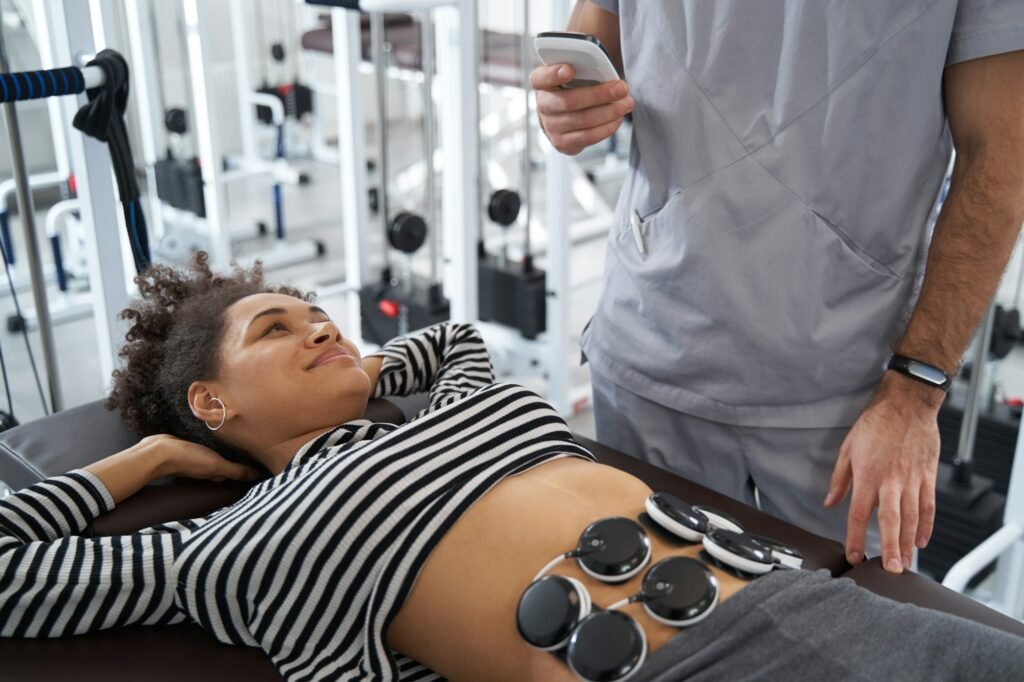
Neuromuscular Massage, also known as Neuromuscular Therapy (NMT) or Trigger Point Therapy, is a specialized form of massage that delves deep into the intricate relationship between the muscular and nervous systems. It focuses on addressing specific areas of muscle tension, trigger points, and postural imbalances, aiming to restore optimal function, alleviate pain, and promote overall well-being.
What is Neuromuscular Massage?
Neuromuscular Massage is characterized by the following key elements:
- Targeted Treatment: Practitioners utilize detailed assessments to pinpoint specific areas of dysfunction within the muscles and surrounding connective tissue (fascia).
- Focused Techniques: A combination of deep tissue massage, trigger point therapy, myofascial release, and other manual techniques are applied to release chronic muscle tension and spasms
- Nervous System Focus: Neuromuscular Massage aims to calm irritated nerves, reduce pain signals sent to the brain, and restore healthy communication pathways within the neuromuscular system.

- Corrective Approach: Treatment often involves addressing postural imbalances, dysfunctional movement patterns, and retraining muscles for optimal functioning.
How Can Neuromuscular Massage Help You?
Neuromuscular Massage offers potential benefits for various conditions and goals:
- Chronic Pain Management: Addresses persistent pain in areas like the back, neck, shoulders, and hips, stemming from muscular imbalances, trigger points, or repetitive strain.
- Injury Rehabilitation: Accelerates healing, improves range of motion, and reduces scar tissue formation after sports injuries or other musculoskeletal trauma.
- Postural Correction: Improves posture by releasing imbalances in the muscles that support the spine, reducing strain, and preventing future pain and dysfunction.
- Stress Reduction: The combination of deep tissue work and neuromuscular techniques fosters a deep sense of relaxation, easing both physical and mental tension.
- Improved Mobility & Flexibility: Provides targeted release of tight, constricted muscles, leading to increased joint mobility and flexibility.
What is Neuromuscular Massage Good For?
Neuromuscular Massage is particularly helpful for individuals with:
- Chronic Pain Conditions: Those seeking relief from conditions like fibromyalgia, sciatica, chronic headaches, or muscle spasms.
- Limited Range of Motion: Individuals experiencing stiffness, tightness, or decreased mobility due to muscle imbalances or past injuries.
- Postural Dysfunctions: Individuals wishing to improve posture, reduce related pain, and prevent future musculoskeletal problems.
- Athletes & Active Individuals: Optimizes performance, aids in recovery from training or injuries, and reduces the risk of future strain.
Benefits of Neuromuscular Massage
- Targeted Pain Relief: Addresses the source of pain, not just the symptoms, providing long-lasting relief and improving overall function.
- Enhanced Muscle Health: Improves circulation, releases trigger points, breaks down adhesions, and restores healthy muscle function.
- Increased Mobility & Flexibility: Reduces tightness and tension, leading to improved range of motion and reduced pain with movement.
- Holistic Approach: Recognizes the interconnectedness of the muscular and nervous systems, addressing both physical and neurological components of pain and dysfunction.
- Improved Posture & Body Awareness: Promotes correct alignment, optimal muscle engagement, and greater awareness of posture in daily life.
What to Expect During Neuromuscular Massage Sessions
- Initial Assessment: Your practitioner will conduct a thorough evaluation of your health history, pain patterns, posture, and movement limitations.
- Treatment Plan: A personalized plan is developed based on assessment findings, focusing on specific areas of dysfunction and your desired outcomes.
- Pain & Communication: Neuromuscular Massage may involve some discomfort, especially in areas of concentrated tension. It’s crucial to maintain open communication with your therapist regarding your pain tolerance.
- Active Participation: You may be instructed on stretches, exercises, or self-care techniques to complement the therapy and enhance results.
Similar Modalities to Neuromuscular Massage
- Deep Tissue Massage: Focuses on deep layers of muscle tissue but may not include the specific trigger point work and neuromuscular focus of NMT.
- Myofascial Release: Focuses on releasing constrictions within the fascia (connective tissue) around muscles to improve mobility and reduce pain.
- Sports Massage: Can incorporate techniques from NMT and is tailored for athletes’ needs, addressing injury prevention and performance enhancement.
Final Thoughts
Neuromuscular Massage provides a powerful, targeted approach for those seeking relief from chronic pain, movement limitations, or wishing to optimize their physical function. By working collaboratively with a skilled practitioner, Neuromuscular Massage can be a transformative step in your wellness journey.
FAQ: Neuromuscular Massage
Is Neuromuscular Massage painful?
Neuromuscular Massage can occasionally cause some discomfort, especially when working on deeply held trigger points or areas of chronic tension. Open communication with your therapist is crucial to ensure the pressure is manageable and beneficial.
How many Neuromuscular Massage sessions are typically needed?
The number of sessions required depends on individual needs and goals. For acute pain or injury, a series of sessions may be recommended, while for maintenance or preventative care, periodic sessions may be sufficient.
Can Neuromuscular Massage replace physical therapy?
 Neuromuscular Massage can often complement physical therapy, addressing specific muscular imbalances and pain patterns. However, it’s not a substitute for a comprehensive physical therapy program prescribed by a qualified practitioner.
How do I find a qualified Neuromuscular Massage therapist?
Look for practitioners with specialized training and certification in Neuromuscular Massage (NMT) or Trigger Point Therapy. Seek referrals or search databases of professional massage therapy associations.
Is there anything I should do after a Neuromuscular Massage session?
Drink plenty of water to help flush out metabolic waste released during the massage. Your therapist may also recommend gentle stretches, light movement, or the application of heat to enhance the benefits of the session.
Related Practitioners
Kim McIntire
The Neurodivergent Healer & Hypnotist
- Carson City, Nevada, United States
- +1 (775) 240-6381
My name is Kim McIntire, and my transformative journey in holistic wellness commenced 22 years ago during my time at… Read More
Ali Campbell
Neuro Linguistic Programming Expert
- Los Angeles, Los Angeles County, California, United States
- +44 (2) 555-5555
As information is rapidly changing, we encourage you to continue to stay informed. Please visit our Coronavirus Resource Center, Healthgrades… Read More
Kamela Hurley
Manifest Miracles with Kamela Hurley Medium + Holistic Wellness Coach
- Old Toronto, Toronto, Golden Horseshoe, Ontario, Canada
Throughout my spiritual journey, I have found a profound connection to the natural surroundings that encompass me. It has been… Read More