


Acupuncture Therapy
Acupuncture Therapy
Unlocking the Power of Ancient Healing
Acupuncture therapy, a cornerstone of traditional Chinese medicine, has traversed centuries, offering a holistic approach to healing. Unlike conventional medical treatments, acupuncture delves into the body’s intricate energy systems, aiming to restore balance and stimulate natural healing. This article explores the essence, benefits, and practical insights into acupuncture therapy, providing a roadmap for those seeking alternative paths to health and wellness.
What is Acupuncture Therapy?
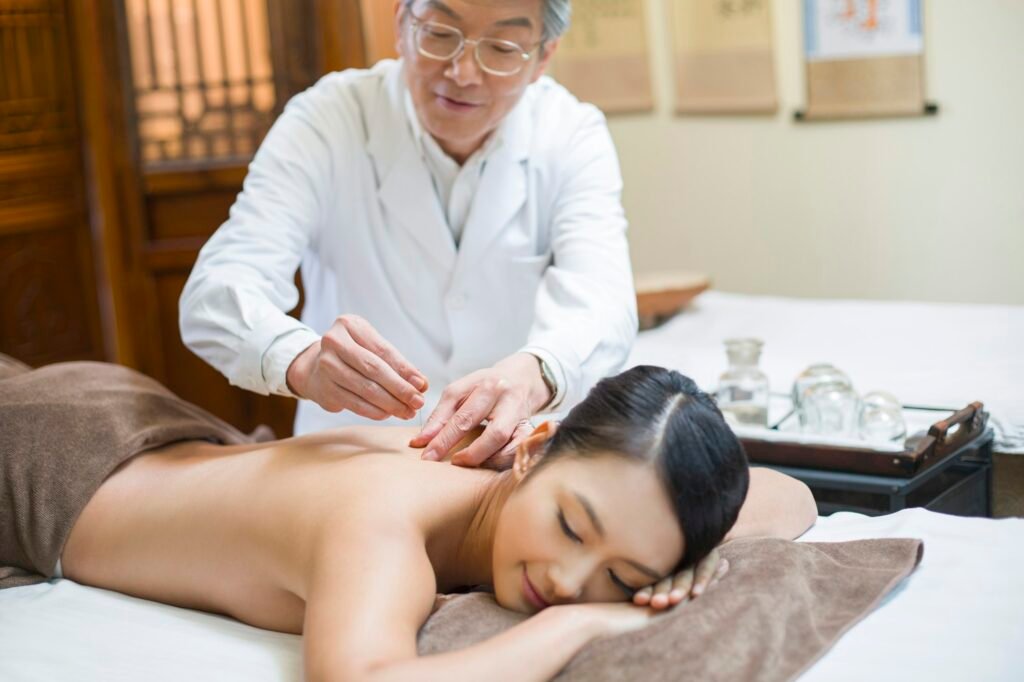
Acupuncture therapy is an ancient practice rooted in Chinese medicine, dating back over 2,000 years. It involves the insertion of fine needles into specific points on the body, known as acupuncture points. This process is believed to adjust the body’s energy flow, or Qi, to promote healing and well-being. The principles of acupuncture encompass a holistic view of health, emphasizing the harmony of physical, mental, and spiritual elements.
How Can Acupuncture Therapy Help You?
Acupuncture therapy offers a plethora of benefits, extending beyond mere symptom relief to enhance overall health. Physically, it has been shown to alleviate chronic pain, improve sleep quality, and support digestive health. Mentally, it can reduce stress and anxiety, providing a serene mind and improved emotional balance.
What is Acupuncture Therapy Good For?
Acupuncture is versatile, addressing a wide range of conditions. It is particularly effective for pain management, including headaches, back pain, and arthritis. Additionally, it supports reproductive health, aids in addiction recovery, and manages chronic illnesses like diabetes and hypertension.
Benefits of Acupuncture Therapy
Scientific studies affirm acupuncture’s efficacy in improving health outcomes. Benefits include reduced inflammation, enhanced immune response, and accelerated recovery from injury. Patient testimonials further corroborate its effectiveness, highlighting personal transformations and improved quality of life.
What to Expect from Acupuncture Therapy with a Practitioner
Engaging with a licensed acupuncture practitioner begins with a comprehensive evaluation, followed by tailored treatment plans. Sessions typically involve needle insertion, with variations in technique based on individual needs. Post-treatment, patients often report a sense of relaxation and rejuvenation.
Final Thoughts
Acupuncture therapy offers a unique blend of ancient wisdom and modern health benefits. By addressing both symptoms and underlying causes, it provides a comprehensive approach to well-being. As more individuals seek holistic health solutions, acupuncture stands out as a viable, effective option. Embracing acupuncture therapy could be the key to unlocking a healthier, more balanced life.
Scientific References:
- White, A., & Ernst, E. (2004). A systematic review of randomized controlled trials of acupuncture for neck pain. Rheumatology, 43(5), 662-667. https://doi.org/10.1093/rheumatology/38.2.143
- Linde, K., Allais, G., Brinkhaus, B., Manheimer, E., Vickers, A., & White, A. R. (2009). Acupuncture for tension-type headache. Cochrane Database of Systematic Reviews, (1). https://doi.org/10.1002/14651858.cd007587
- Vickers, A. J., Linde, K. (2014). Acupuncture for chronic pain. JAMA, 311(9), 955-956. https://doi.org/10.1001/jama.2013.285478
Recommended Books:
- Maciocia, G. (2015). The Foundations of Chinese Medicine: A Comprehensive Text. Elsevier Health Sciences.
- Deadman, P., Al-Khafaji, M., & Baker, K. (2007). A Manual of Acupuncture. Journal of Chinese Medicine Publications.
- Kaptchuk, T. J. (2000). The Web That Has No Weaver: Understanding Chinese Medicine. McGraw-Hill Education.
FAQ on Acupuncture Therapy
Welcome to our Frequently Asked Questions (FAQ) section. Here, we aim to provide clear and concise answers to common queries you may have about this particular healing modality. Whether you’re new to this practice or seeking deeper insights, our FAQs are designed to help enhance your understanding and support your journey toward holistic wellness. If you have a general question that’s not covered below, please feel free let us know.
Acupuncture involves minimal discomfort, with most patients experiencing a mild tingling sensation.
Results vary, with some patients noticing improvements immediately while others may require several sessions.
While acupuncture complements conventional treatments, it should not replace medical advice or necessary procedures.
Side effects are rare and usually minor, including slight bruising or soreness at the needle sites.
Seek a licensed professional with accredited training in acupuncture and a good reputation among patients. You can try searching the directory for someone near you.