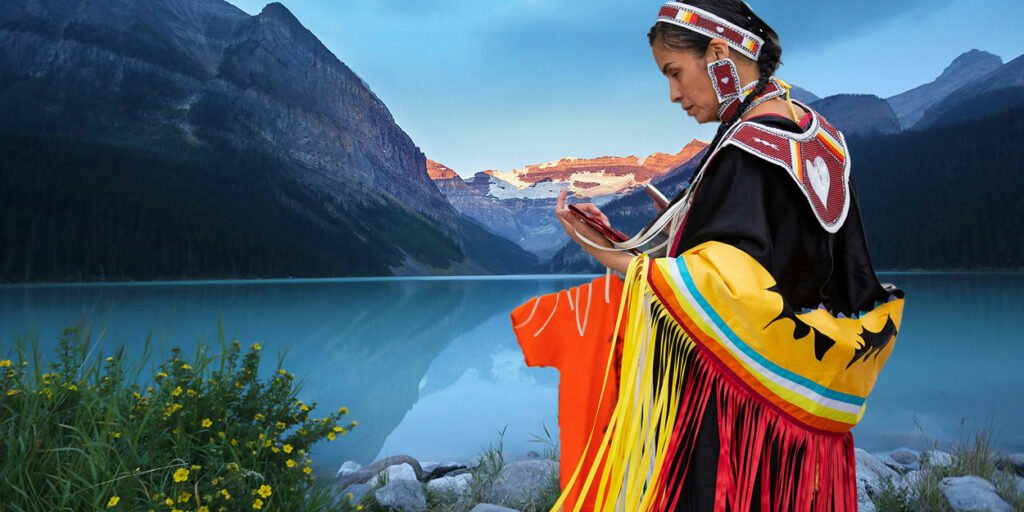

First Nations
First Nations
First Nations communities in Canada hold a rich tapestry of traditional healing knowledge passed down through generations. These practices emphasize a holistic approach to well-being, recognizing the interconnectedness of the body, mind, spirit, and environment. First Nations healing honors ancestral wisdom and a deep reverence for the natural world, offering a powerful path towards physical, emotional, mental, and spiritual balance.
What are First Nations Healing Practices?
First Nations healing traditions are diverse, reflecting the unique cultures and histories of different communities across Canada. However, they share common elements, including:
- Holistic Understanding of Health:Â First Nations healers view health as a state of harmony within oneself, one’s community, and the natural world. Illness is seen as a disruption of this balance.
- Traditional Medicines:Â Plants, herbs, and other natural substances are used for their medicinal properties, often in conjunction with ceremonies and rituals.
- Spiritual Connection:Â Ceremonies, sweat lodges, drumming, singing, and storytelling play vital roles in fostering spiritual well-being and connection to ancestral wisdom.
- Role of Elders and Healers:Â Elders and traditional healers hold respected positions as knowledge keepers and guides in the healing process.
How Can First Nations Healing Practices Help You?
First Nations healing practices offer a powerful complement to conventional healthcare, addressing a wide range of concerns:
- Physical Ailments: Traditional medicines can be used to treat a variety of physical conditions, from headaches and stomachaches to respiratory problems and chronic pain. These remedies are often derived from plants, animals, and minerals with deep cultural significance. In some cases, traditional healers may also incorporate massage or physical manipulation techniques to promote healing.
- Emotional and Mental Wellness: Ceremonies and practices like talking circles, drumming, and storytelling create safe spaces for emotional expression, fostering a sense of community and belonging. These practices can help reduce stress, anxiety, and depression, while promoting emotional resilience and coping mechanisms. Traditional healers may also use herbal remedies or spiritual practices to address emotional imbalances.
- Spiritual Growth: First Nations healing emphasizes the interconnectedness of all living things and the importance of spiritual well-being. Through participation in ceremonies, connecting with nature, and guidance from elders, individuals can cultivate a deeper sense of purpose, meaning, and connection to their ancestors and the natural world.
- Community Connection: First Nations healing practices are often deeply rooted in community traditions and values. Participation in ceremonies, sharing circles, and sweat lodges strengthens social bonds and fosters a sense of belonging. This sense of community support can be a powerful source of healing and resilience.
What is First Nations Healing Good For?
First Nations healing traditions are particularly beneficial for:
- Addressing chronic conditions:Â Holistic practices can complement Western medicine in managing chronic illnesses like diabetes, heart disease, and arthritis.
- Healing from Trauma:Â First Nations healing offers culturally sensitive approaches to address the impacts of intergenerational trauma and colonization.
- Promoting Resilience:Â These practices cultivate inner strength, coping mechanisms, and a sense of empowerment to navigate life’s challenges.
- Cultural Revitalization:Â Participation in traditional healing practices strengthens cultural identity and connection to ancestral knowledge.
Benefits of First Nations Healing
- Holistic Approach:Â Addresses physical, emotional, mental, and spiritual well-being as interconnected aspects of health.
- Culturally Responsive:Â Honors the unique cultures, histories, and worldviews of First Nations communities.
- Community-Based:Â Emphasizes the importance of community support and connection in the healing process.
- Empowering:Â Fosters self-awareness, agency, and a sense of control over one’s health journey.
What to Expect During a First Nations Healing Session
Experiences with First Nations healers can vary depending on the individual and the specific practice. However, some common elements might include:
- Sharing Circle:Â A safe space for sharing stories, seeking guidance, and connecting with others.
- Smudging Ceremony:Â Burning sacred herbs like sage or cedar for purification and positive energy.
- Plant Medicines:Â Preparation and use of traditional herbal remedies.
- Sweat Lodge:Â A ceremonial purification practice for physical, emotional, and spiritual cleansing.
- Storytelling and Songs:Â Sharing traditional teachings and songs for healing and guidance.
Similar Modalities to First Nations Healing
- Traditional Chinese Medicine (TCM):Â A holistic system emphasizing balance, energy flow, and the use of herbs and acupuncture.
- Ayurveda:Â India’s ancient healing tradition focusing on mind-body-spirit balance and individualized treatments.
- Mind-Body Practices:Â Techniques like meditation, yoga, and breathwork promote relaxation and stress reduction.
Final Thoughts
First Nations healing traditions offer a profound path towards holistic well-being, rooted in cultural wisdom and a deep connection to the natural world. By respecting these practices and working collaboratively with Indigenous healers, we can expand our understanding of health and create more inclusive and culturally responsive healthcare systems.
Scientific References
- Gone, J. P. (2013). Redressing First Nations historical trauma: Theorizing mechanisms for Indigenous culture as mental health treatment. Transcultural Psychiatry, 50(5), 683-706.
- Kirmayer, L. J., Dandeneau, S., Marshall, E., Phillips, M. K., & Williamson, K. J. (2011). Rethinking resilience from Indigenous perspectives. Canadian Journal of Psychiatry. Revue Canadienne De Psychiatrie, 56(2), 84–91. https://doi.org/10.1177/070674371105600203
- Waldram, J. B., Herring, D. A., & Young, T. K. (2006). Aboriginal health in Canada: Historical, cultural, and epidemiological perspectives. University of Toronto Press.
Recommended Reading
- Braiding Sweetgrass: Indigenous Wisdom, Scientific Knowledge, and the Teachings of Plants by Robin Wall Kimmerer
- The Sacred Balance: Rediscovering Our Place in Nature by David Suzuki
- One Drum: Stories and Ceremonies for a Planet by Richard Wagamese
FAQ: First Nations
Are First Nations healing practices safe?
Generally, traditional First Nations healing practices are safe when provided by qualified and experienced healers. However, it’s important to consult with your healthcare provider, especially if you have an existing medical condition or are taking medication.
How do I find a reputable First Nations healer?
Look for healers who are recognized and respected within their community. You can ask for recommendations from Indigenous organizations, community centers, or trusted individuals. Word of mouth is often a reliable source.
Do I need to be Indigenous to participate in First Nations healing?
While First Nations healing practices are primarily intended to serve Indigenous communities, some healers may be open to working with non-Indigenous individuals in a culturally respectful manner. It’s essential to approach these practices with humility, openness to learning, and respect for cultural protocols.
Can First Nations healing replace conventional medicine?
First Nations healing practices should be seen as complementary to conventional healthcare, not a replacement. It’s essential to continue working with your healthcare provider and follow their recommendations, especially for serious medical conditions.
Is First Nations healing covered by insurance?
Coverage for First Nations healing practices by insurance plans varies. Some plans may cover specific modalities or services provided by recognized practitioners. Check with your insurance provider for details.
Related Practitioners
Dr. Natasha Campbell McBride
Put Your Heart in Your Mouth Book
- London, Greater London, England, United Kingdom
Dr. Campbell-McBride's work, particularly the GAPS concept, has been met with both praise and criticism. It's important to consult with… Read More
Ali Campbell
NLP & Hypnosis for Healing
- Dubai, United Arab Emirates
- +1 (555) 123-4567
Ali Campbell is a renowned life coach, NLP (Neuro-Linguistic Programming) practitioner, hypnotist, and life coaching expert. He is widely recognized… Read More
Rita Mustafa
Healing Beyond Boundaries: Personalized Holistic Wellness for You and Your Pets
- City Centre, Windsor, ON, Canada
- +1 (678) 210-5270
Rita’s years experience in the health and Fitness, coupled with her educational background and ongoing activities, have inspired her to… Read More


