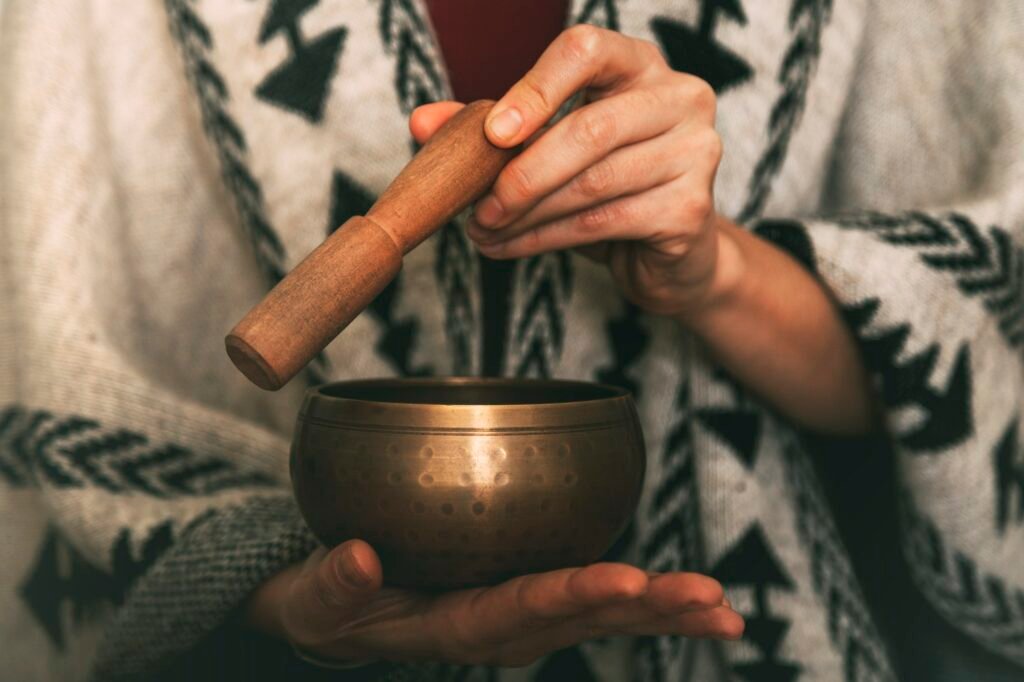
Singing bowls offer a unique pathway to holistic wellness. These musical instruments have been used for centuries in various cultures for their sound healing properties. Their soothing vibrations and tones are thought to promote relaxation, balance, and an overall sense of well-being.
What are Singing Bowls?
Singing bowls are typically made of metal alloys, although crystal variations also exist. They come in various sizes, producing a range of resonant tones when played. Traditionally, singing bowls were crafted in Tibet, Nepal, and India, and their use has spread worldwide.
How Can Singing Bowls Help You?
Singing bowls impact the body and mind in several ways. Research suggests they can improve relaxation, reduce stress, promote better sleep, and enhance emotional well-being. Here’s how:
- Relaxation: The vibrations and tones emitted by singing bowls promote a state of deep relaxation. The rhythmic sounds and deep vibrations lull the nervous system into a parasympathetic state, the “rest and digest” response. This state is opposite to the fight-or-flight response triggered by stress, and it allows the body to slow down, repair tissues, and conserve energy. In this relaxed state, muscle tension eases, the heart rate slows, and blood pressure lowers, promoting a sense of calm and well-being.
- Stress Reduction: The calming sounds of singing bowls can activate the relaxation response, leading to decreased production of stress hormones like cortisol. Cortisol is associated with a variety of stress-related health problems, including anxiety, high blood pressure, and weakened immunity. By lowering cortisol levels, singing bowls may contribute to reduced stress and anxiety, promoting a more balanced emotional state.
- Improved Sleep: The deep relaxation induced by singing bowls can significantly improve sleep quality. Difficulty falling asleep and staying asleep are common sleep problems that can significantly impact overall health and well-being. The soothing sounds and rhythmic vibrations of singing bowls can help quiet a busy mind, ease physical tension, and create a more peaceful environment that promotes better sleep. Studies have shown that regular use of singing bowls can lead to reduced sleep disturbances and improved sleep quality.
- Emotional Well-Being: Singing bowls may foster a sense of peace, balance, and emotional well-being. The calming sounds and vibrations can help reduce negative emotions like anger, frustration, and worry. By promoting relaxation and reducing stress, singing bowls can create a space for emotional processing and inner peace. Additionally, the focused listening and present-moment awareness encouraged during a singing bowl session can contribute to mindfulness, a practice that has been shown to improve emotional regulation and overall well-being.
What are Singing Bowls Good For?
Singing bowls have diverse applications in holistic wellness. They are used for:
- Meditation: The bowls create a calming atmosphere that supports deeper meditation.
- Yoga: They can be used in yoga practice to enhance relaxation and facilitate a mind-body connection.
- Sound Healing Therapy: Practitioners skillfully use singing bowls for relaxation, energy alignment, and pain reduction.
- Personal Use: Many enjoy the benefits of singing bowls at home for stress relief and relaxation.
Benefits of Singing Bowls
Potential benefits of using singing bowls include:
- Reduced Stress and Anxiety: Singing bowls activate the relaxation response and may decrease stress hormones.
- Improved Mood: The calming vibrations can improve mood, reduce anger, and increase feelings of well-being.
- Pain Reduction: Some studies suggest singing bowls can reduce pain perception and improve pain tolerance.
- Enhanced Sleep Quality: Regular practice may help address sleep disturbances and promote better sleep patterns.
- Improved Spiritual Connection: Singing bowls create a meditative environment for exploring mindfulness and spirituality.
What to Expect from Singing Bowls with a Practitioner
A sound healing session with a practitioner typically includes the skillful playing of various singing bowls. You’ll often be asked to lie down or sit comfortably while the practitioner plays the bowls. The vibrations are directed around and sometimes on your body. Often, sessions are individualized to your specific needs and goals.
Similar Modalities to Singing Bowls
Other forms of sound healing and relaxation techniques offer similar benefits to singing bowls:
- Gongs: These large instruments produce powerful vibrations that resonate throughout the body.
- Tingshas: Small cymbals used in meditation.
- Binaural Beats: Specialized auditory therapy utilizing different frequencies in each ear for relaxation and focus.
Final Thoughts
Singing bowls offer a unique pathway to deep relaxation and balance. Their soothing vibrations and tones are a valuable tool in holistic wellness for stress reduction, enhanced mood, and overall well-being. Whether seeking personal relaxation practices or deeper sound healing sessions, singing bowls are worth exploring.
Scientific References
- Goldsby, T. L., Goldsby, M. E., McWalters, M., & Mills, P. J. (2017). Effects of Singing Bowl Sound Meditation on Mood, Tension, and Well-being: An Observational Study. Journal of Evidence-Based Complementary & Alternative Medicine, 22(3), 401-406. https://doi.org/10.1177/2156587216668109
- Lee, M. S. (2016). Effects of Singing Bowl Sound Meditation on Mood, Depression, and Well-Being: A Pilot Study. Alternative & Integrative Medicine, 5(4).
- Warwick, E. (2021). Singing Bowls: Exploring the Impact of Sound Therapy on Pain and Stress. Complementary Therapies in Clinical Practice, 43, 101388. https://doi.org/10.1016/j.ctcp.2021.101388
Recommended Reading
- Iniesta, A. (2016). The Singing Bowl: Techniques and Healing Uses. Inner Traditions.
- Mitchell, M. L. (2012). Sacred Sounds: Discovering the Healing Power of Chant, Mantra, and Musical Meditation. Sounds True
- Shrestha, B. (1999). Singing Bowls of Nepal. Pilgrims Book House.