
Scraping (Gua Sha)

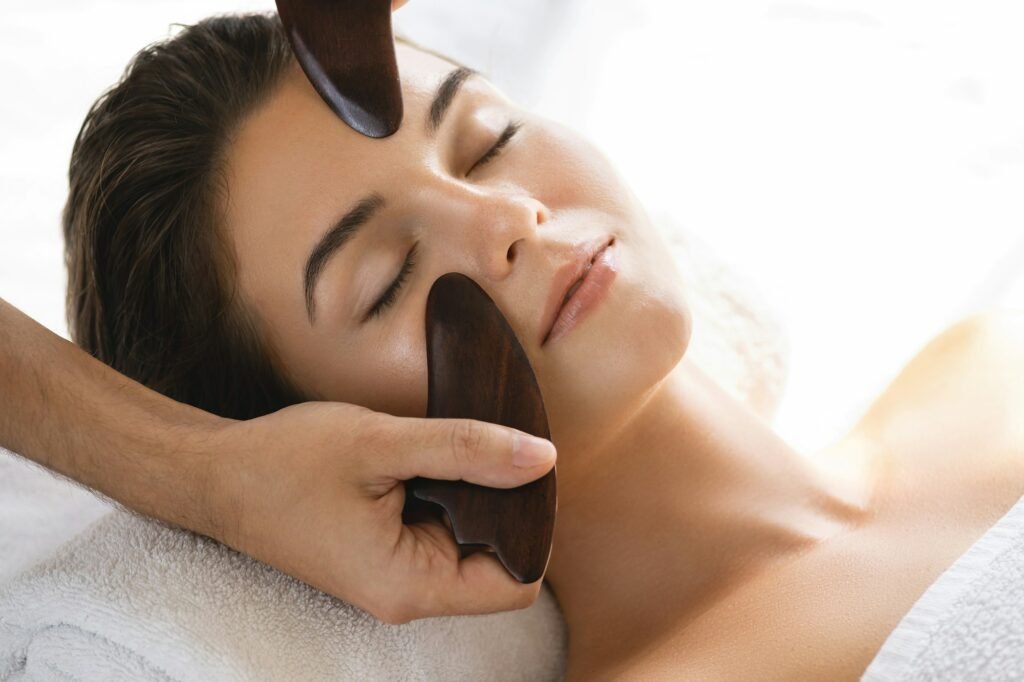
Woman during Chinese traditional massage - Gua Sha

Scraping (Gua Sha)

Within the scope of Traditional Chinese Medicine (TCM), Scraping, commonly known as “Gua sha”, is an ancient healing technique. Rooted in the belief that health and well-being depend on the harmonious flow of “qi” (vital energy), Scraping focuses on stimulating circulation, removing stagnant energy, and relieving pain. Within the holistic wellness context, Scraping presents a complementary tool to alleviate musculoskeletal pain, reduce inflammation, and support the body’s natural healing processes.

What is Scraping?

Scraping involves utilizing a smooth-edged instrument (traditionally crafted from materials like jade, stone, or animal bone) to apply intentional strokes upon the skin’s surface. Typically, practitioners focus on areas of pain or tension along the back, shoulders, neck, and limbs. This technique creates intentional light bruising known as “sha,” believed to indicate the release of stagnant energy or toxins from the tissues.

How Can Scraping Help You?

Scraping offers potential benefits for individuals seeking to:

  • Manage Pain: Scraping is commonly used to alleviate musculoskeletal pain, stiffness, and inflammation.
  • Promote Circulation: The stimulation of the skin and underlying tissues through Scraping is thought to enhance blood circulation and improve lymphatic drainage.
  • Support Healing: Practitioners believe Scraping can trigger the body’s natural healing response, potentially accelerating recovery from injuries and reducing inflammation.
  • Reduce Stress and Tension: The rhythmic and repetitive strokes of Scraping can have a relaxing and calming effect on both the body and mind.

What is Scraping Good For?

Individuals may consider Scraping as a complementary therapy for:

  • Pain Conditions: Back pain, neck pain, muscle tension, and arthritis.
  • Inflammation: May reduce inflammation associated with various conditions.
  • Restricted Movement: May improve flexibility and range of motion in joints.
  • Circulatory Issues: Used to stimulate blood flow and lymphatic drainage.
  • Stress Relief: The technique’s relaxing properties may alleviate stress and promote a sense of calmness.

Benefits of Scraping

Individuals may experience the following benefits from Scraping:

  • Reduced Pain: One of the primary benefits of Scraping is pain relief.
  • Improved Circulation: Stimulation increases blood flow to treated areas, promoting healing.
  • Decreased Inflammation: Scraping may help reduce inflammation in tissues and joints.
  • Enhanced Mobility: Improved circulation and release of muscle tension may lead to increased flexibility and range of motion.
  • Stress Reduction: Provides a calming and relaxing experience.

What to Expect from Scraping With a Practitioner

A Scraping session with a qualified TCM practitioner or other trained professional typically involves:

  • Consultation: Discussing your health concerns, medical history, and goals.
  • Skin Preparation: Application of oil or lotion for easier movement of the tool.
  • Scraping Technique: Applying intentional strokes along energy meridians or areas of tension, using the smooth-edged tool.
  • Aftercare: Instructions on self-care, including drinking plenty of fluids and avoiding strenuous activity.

Similar Modalities to Scraping

Other modalities that share some similarities with Scraping’s focus on pain relief and circulation include:

  • Cupping Therapy: Utilizes glass or silicone cups to create suction on the skin.
  • Acupuncture: Stimulates specific acupoints on the body with fine needles.
  • Therapeutic Massage: Manipulates soft tissues to reduce tension and improve circulation.

Final Thoughts

Scraping (Gua sha) provides a unique and time-tested approach within the realm of holistic wellness. Through its distinct technique and adherence to TCM principles, Scraping may offer a valuable tool for pain management, improved circulation, and relaxation. If seeking alternative or complementary therapies for pain relief, inflammation, or stress reduction, considering Scraping, ideally with a trained practitioner, might be a worthwhile option.

Scientific References

  • Lauche, R., Wübbeling, K., Lüdtke, R., Cramer, H., Choi, K. E., & Rampp, T. (2021). Efficacy of gua sha (scraping) therapy in patients with chronic neck pain: A randomized, controlled trial. Scientific reports, 11(1), 1-8.
  • Lee, M. S., & Kim, J. I. (2016). Effectiveness of Gua Sha therapy on chronic neck pain: a randomized controlled trial. Complementary therapies in medicine, 26, 63-68.
  • Nielsen, A., Knoblauch, N. T. M., Dobos, G. J., Michalsen, A., & Kaptchuk, T. J. (2007). The effect of Gua Sha treatment on the microcirculation of surface tissue: a pilot study in healthy subjects. Explore: The Journal of Science and Healing, 3(5), 456-466.

Recommended Reading

  • Arya, N. (2018) Gua Sha: A Traditional Technique for Modern Practice. Singing Dragon.
  • Daye, L. (2005) A Handbook of Chinese Healing Therapies: Gua Sha: Self-Treatment of Common Ailments. Healing Arts Press
  • Nielsen, A. (2012) Gua Sha: A Complete Self-Treatment Guide. Churchill Livingstone.

FAQ: Scraping (Gua Sha)

Scraping may cause some temporary discomfort or pressure, but it shouldn’t be overly painful. Open communication with your practitioner is essential.

The characteristic bruising (“sha”) that results from Scraping is a normal and expected part of the healing process. The sha typically fades within a few days to a week.

While some individuals opt for self-treatment with Gua sha tools, consulting with a qualified TCM practitioner or other trained professional is recommended for optimal benefits and to avoid incorrect technique.

The frequency of Scraping sessions depends on your individual needs and the condition being treated. Some may benefit from weekly sessions, while others only require treatment occasionally.

Scraping is generally well-tolerated. However, some individuals may experience:

  • Temporary bruising and redness
  • Soreness in the treated areas
  • Lightheadedness (rarely)

Important Note: Always consult with your healthcare provider before trying Scraping, particularly if you have underlying health conditions, take blood thinners, or are pregnant.

Related Practitioners

Related Articles

Related Courses