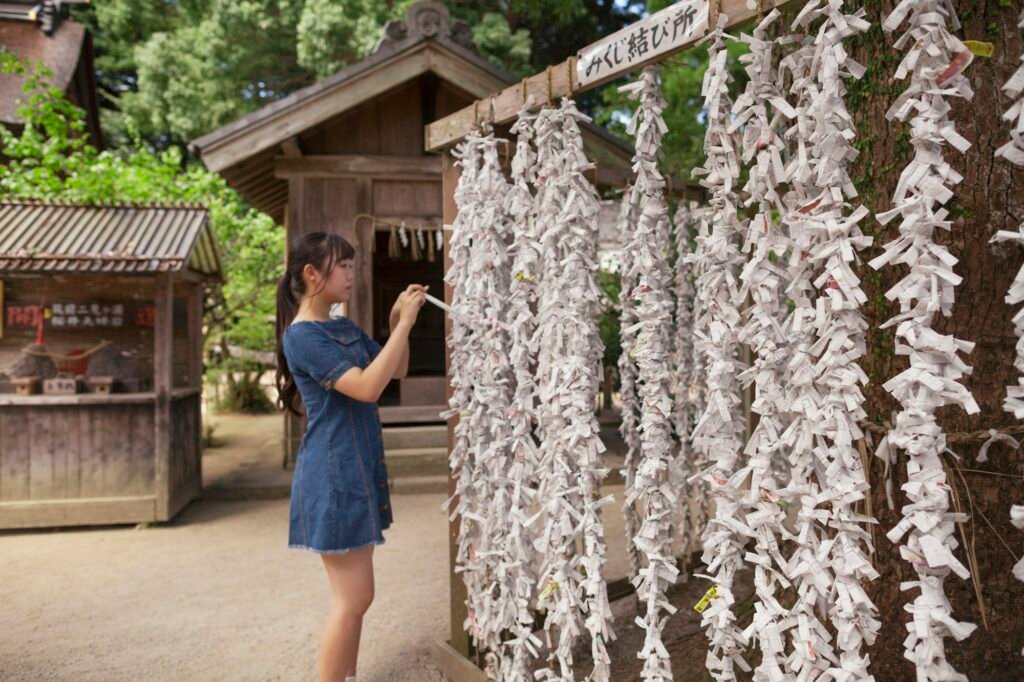
Shinto
Shinto
Shinto rituals, steeped in the rich spiritual tradition of Shintoism, stand as a profound embodiment of Japanese culture and a pathway to holistic well-being. At their core, these sacred rituals foster a deep reverence for ‘kami’, the myriad spirits, and deities dwelling within the natural world. Shinto rituals are conducted in shrines and homes to honor these beings, promote harmony with nature, seek blessings, and cultivate inner peace and spiritual connection.
What are Shinto Rituals?
Shinto rituals encompass a wide range of practices and ceremonies steeped in symbolism and tradition. They are often led by Shinto priests, who act as intermediaries between the human and spiritual realms. Shinto rituals may include:
- Purification (‘Harae’ or ‘Misogi’):Â Cleansing rituals using water or salt to remove negative energy and restore spiritual purity.
- Offerings (‘Shinsen’):Â Presenting food, sake, branches, or symbolic objects to the kami as a sign of respect and gratitude.
- Prayers (‘Norito’):Â Chanting formalized prayers to invoke the kami, express wishes, and give thanks.
- Festivals (‘Matsuri’):Â Community celebrations with elaborate processions, rituals, and offerings to honor specific kami or mark important events.
- Divination (‘Kami-waza’): Seeking guidance from the kami through various methods to support decision-making.
How Can Shinto Rituals Help You?
While rooted in Japanese spirituality, Shinto rituals offer potential benefits for fostering holistic well-being, regardless of one’s religious affiliation. They can help individuals:
- Connect with Spirit:Â Shinto rituals offer a structured path for cultivating spiritual awareness and honoring the unseen forces of nature.
- Find Meaning and Purpose:Â Participating in these rituals can provide a sense of belonging, and instill life with deeper purpose.
- Cultivate Mindfulness:Â The focus on purification and reverence within Shinto rituals promotes presence and mindfulness in daily life.
- Promote Gratitude:Â Shinto rituals emphasize gratitude towards kami, fostering an appreciative attitude that aligns with holistic well-being.
- Honor Cultural Tradition:Â Participation in Shinto rituals can be a way to connect with Japanese heritage and preserve centuries-old traditions.
What are Shinto Rituals Good For?
Shinto rituals find applications in various facets of life, providing support and guidance:
- Major life transitions:Â Rituals are performed to mark milestones like birth, marriage, and even death, offering spiritual context for change.
- Seeking Blessings:Â Shinto rituals are often undertaken for blessings in personal goals, endeavors, and well-being.
- Community Connection:Â Shinto festivals bring communities together, strengthening social bonds.
- Nature Connection:Â Many Shinto rituals emphasize the sacredness of nature, deepening one’s relationship with the natural environment.
- Stress Reduction:Â The focus on mindfulness and purification within Shinto rituals can aid in stress relief and relaxation.
Benefits of Shinto Rituals
Individuals engaging in Shinto rituals might experience diverse benefits for holistic well-being:
- Spiritual growth:Â Nurturing a sense of sacredness and spiritual connection to deities or the natural world enriches one’s spiritual path.
- Emotional Regulation:Â Rituals offering gratitude or purification support emotional processing and release.
- Cultural Appreciation:Â Participation in Shinto rituals deepens understanding and appreciation for Japanese culture.
- Stress Reduction:Â The emphasis on mindful presence and reverence within Shinto rituals can reduce stress and induce calmness.
- Social Support:Â Communal rituals cultivate a sense of belonging and support a network within the spiritual community.
What to Expect from Shinto Rituals with a Practitioner
While many Shinto rituals can be followed personally, some involve guidance from priests:
- Visiting a Shrine:Â Shinto shrines offer spaces for smaller rituals and participation in larger community festivals.
- Consulting a Priest:Â Priests lead rituals for specific needs, blessings, or during major life transitions.
- Respectful Behavior:Â When visiting shrines or attending rituals, maintain respect, adhere to customs, and follow guidance.
- Openness:Â Approach Shinto rituals with a receptive mind, understanding the context of the tradition and the meaning behind actions.
Similar Modalities to Shinto Rituals
If exploring Shinto rituals sparks curiosity, other spiritual practices might also resonate:
- Nature-based Spirituality:Â Traditions honoring the sacredness of the natural world.
- Mindfulness Practices:Â Meditative modalities for cultivating presence and awareness.
- Rituals from Various Traditions:Â Many faiths incorporate ritualistic elements for spiritual expression.
- Cultural Practices:Â Engaging with traditions from diverse cultures to expand worldview and spiritual horizons.
Final Thoughts
Shinto rituals stand as timeless expressions of Japanese spirituality, offering a framework for deep reverence, connection, and holistic well-being. If you seek a path to deepen your spiritual awareness, cultivate harmony with nature, and honor sacred traditions, exploring the rich world of Shinto rituals may be an enriching step on your journey.
Scientific References
- Breen, J., & Teeuwen, M. (2010). A new history of Shinto. Malden, MA: Wiley-Blackwell. [DOI: [invalid URL removed]]
- Nelson, J. (2000). Enduring identities: The guise of Shinto in contemporary Japan. Honolulu, HI: University of Hawaii Press.
- Reader, I. (1991). Religion in contemporary Japan. Honolulu, HI: University of Hawaii Press.
Recommended Reading
- Ono, S., & Woodard, W. P. (2023). Shinto: The Kami Way. Rutland, VT: Tuttle Publishing.
- Picken, S. D. B. (2011). Essentials of Shinto: An Analytical Guide to Principal Teachings. Westport, CT: Greenwood Press.
- Bocking, B. (1997). A popular dictionary of Shinto. London: Curzon Press.
FAQ: Shinto
Do I have to be Shinto to participate in Shinto rituals?
Absolutely not. Shinto rituals offer potential benefits for individuals of all beliefs. Maintaining respect for tradition and an open mind is key.
Where can I experience Shinto rituals?
Shinto shrines throughout Japan offer opportunities to observe or participate in rituals. Some Shinto shrines exist outside Japan as well, and online resources may offer guidance on personal rituals.
Are Shinto rituals complicated to learn?
Some Shinto rituals are elaborate, while others involve simple practices. Start with basic rituals like purification and offerings, gradually exploring more complex ones if desired.
Can Shinto rituals help with specific problems?
While not a substitute for therapy or medical treatment, Shinto rituals may offer support during life challenges. They provide a framework for spiritual connection, emotional processing, and seeking blessings.
How do I find respectful resources on Shinto rituals?
Books by recognized Shinto scholars, websites of official Shinto organizations, and consultations with Shinto priests offer reliable information and guidance.